
A birder's paradise with fjords, glaciers, and rich marine wildlife. Home to nesting puffins, kittiwakes, and bald eagles.
Explore destination →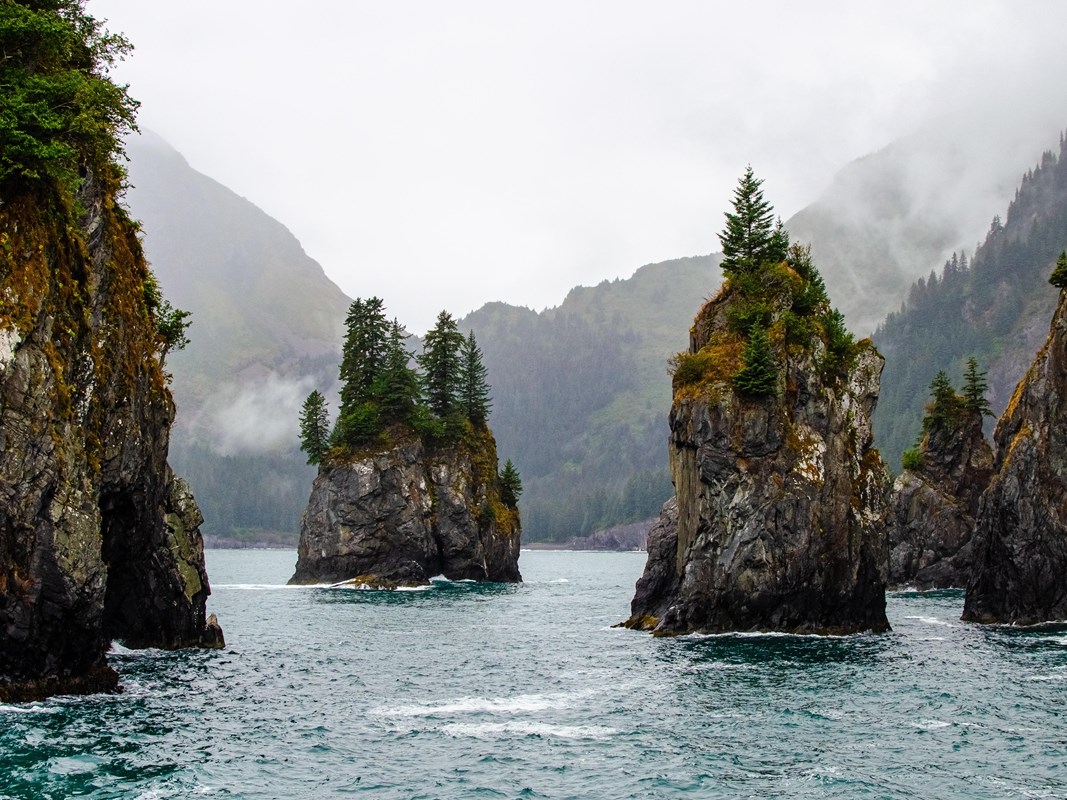
Gateway to Kenai Fjords National Park. Resurrection Bay teems with seabirds, otters, and whales during summer months.
Explore destination →
Homer and Kachemak Bay offer year-round coastal birding, regular Bald Eagle viewing, shorebird habitat, and access to marine birding by boat. Seasonal abundance and access vary.
Explore destination →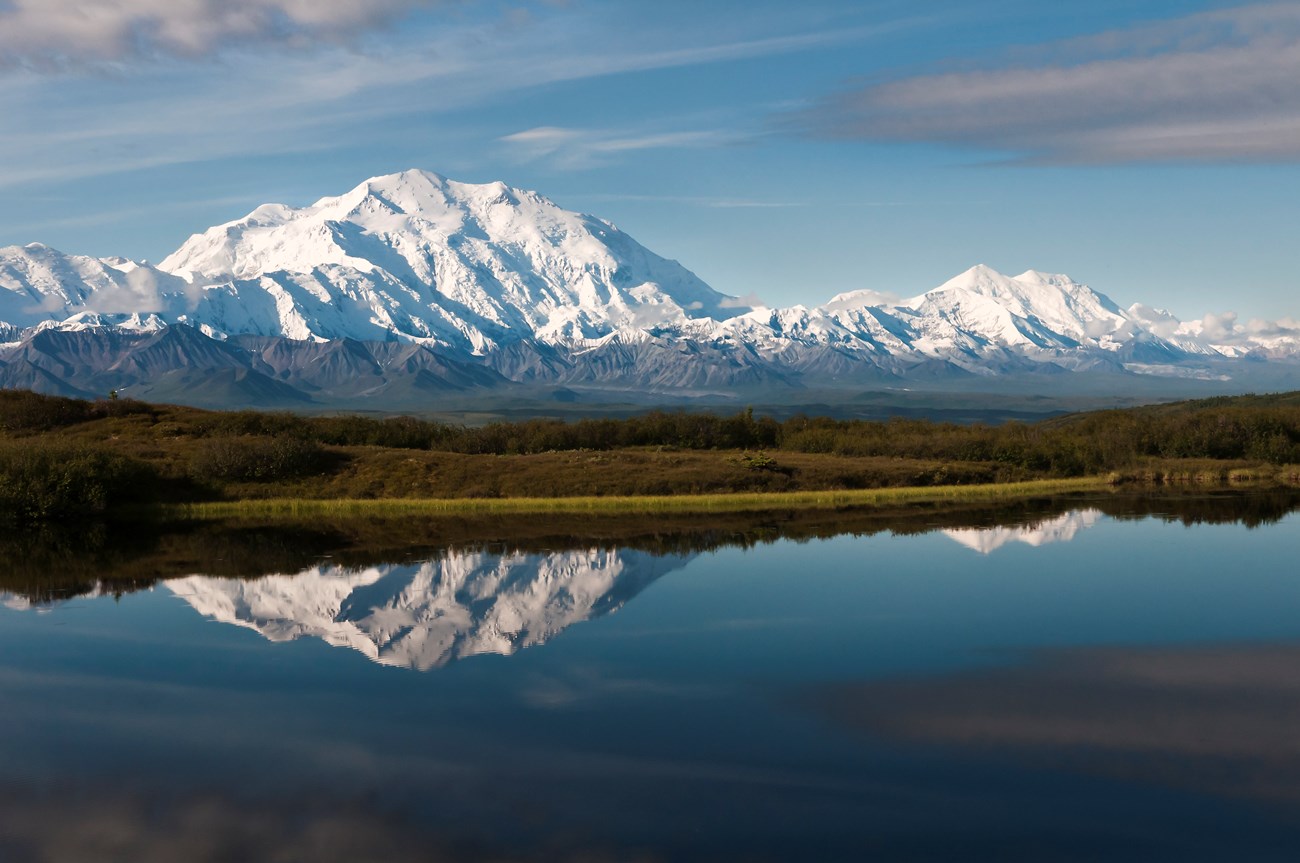
Vast tundra and boreal forests beneath North America's highest peak. Willow Ptarmigan, Northern Hawk-Owl, and Gyrfalcon territory.
Explore destination →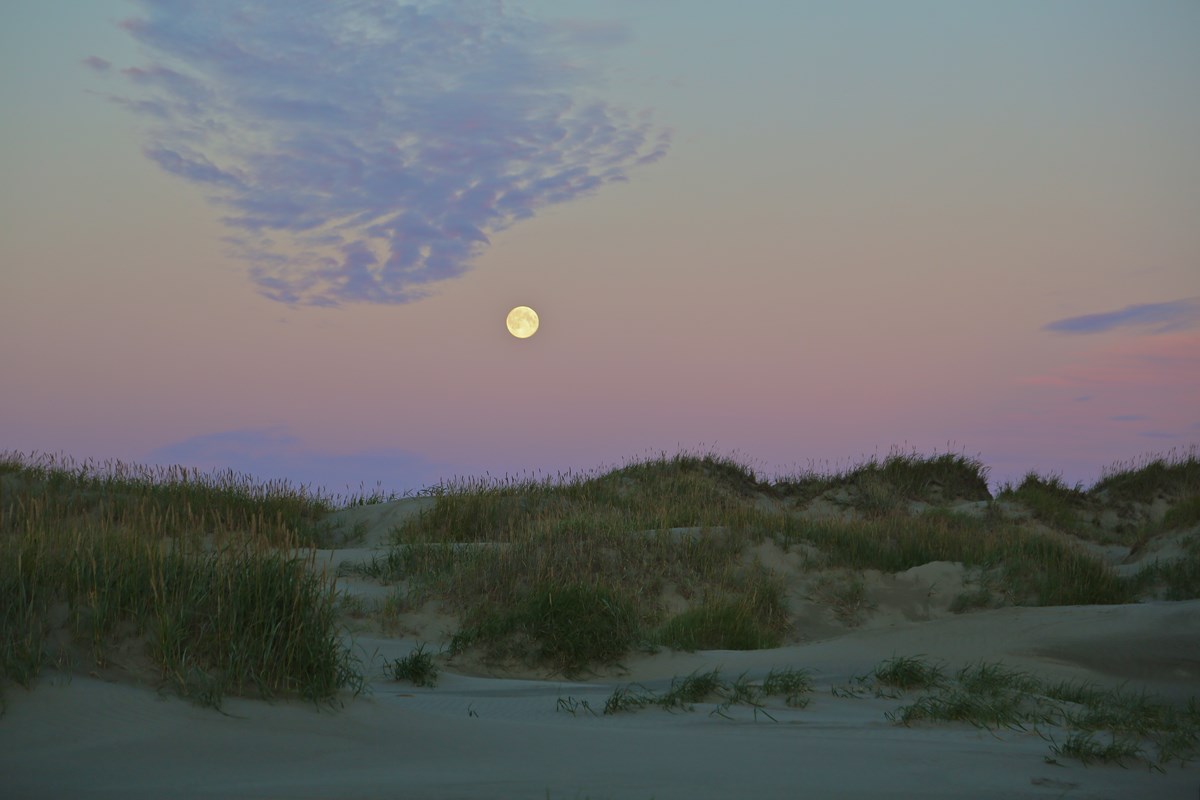
Remote arctic tundra hosting breeding Bluethroats, Arctic Warblers, and shorebirds found nowhere else on the continent.
Explore destination →
Glacier-carved fjords and temperate rainforest provide habitat for Marbled Murrelets, Harlequin Ducks, and massive seabird colonies.
Explore destination →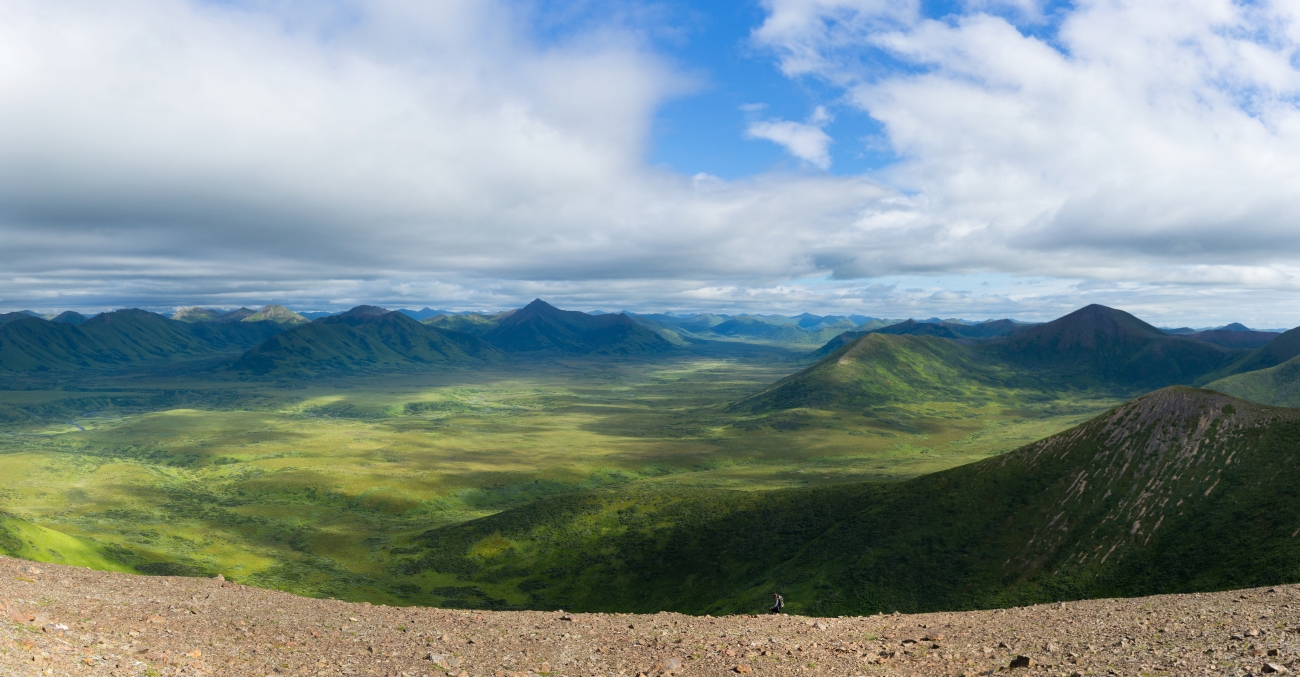
Kodiak combines forest, freshwater, rocky coast, estuaries, and offshore marine habitat. The Kodiak Archipelago supports more than 250 bird species, and the surrounding refuge system includes important seabird, waterfowl, raptor, and shorebird habitat.
Explore destination →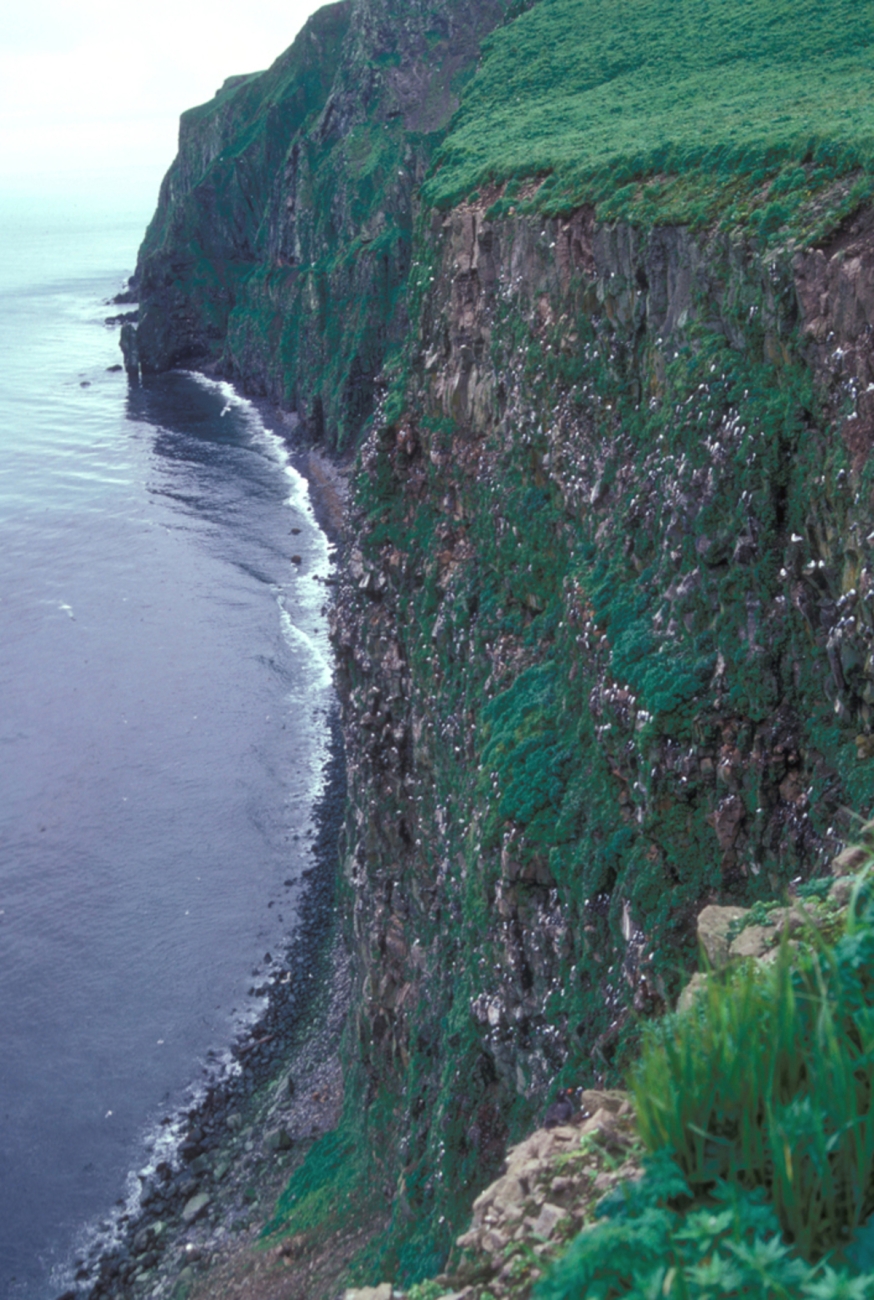
Saint Paul and Saint George sit within the Alaska Maritime National Wildlife Refuge and are major Bering Sea birding destinations. Summer brings dense seabird colonies, auklets, puffins, murres, kittiwakes, and other marine birds; travel requires advance planning and weather flexibility.
Explore destination →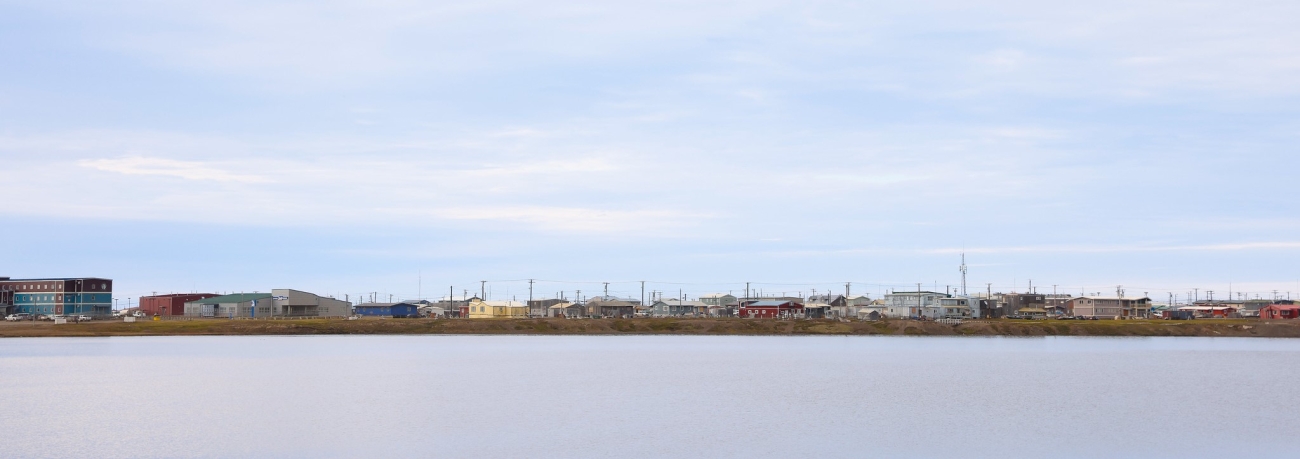
Arctic coastal tundra around Utqiaġvik offers access to northern Alaska birding focused on shorebirds, waterfowl, loons, and other tundra-breeding species. Conditions, road access, nesting areas, and wildlife activity change quickly, so current local guidance matters.
Explore destination →
Anchorage combines coastal wetlands, boreal forest, urban green space, and easy road access. Potter Marsh is the best-known accessible birding stop, with elevated boardwalks overlooking wetland habitat used by waterfowl, shorebirds, terns, eagles, and other wildlife.
Explore destination →
Fairbanks offers accessible Interior Alaska birding across wetlands, open fields, and boreal forest. Creamer's Field is a major local refuge for observing seasonal movements of ducks, geese, cranes, songbirds, and other migratory wildlife.
Explore destination →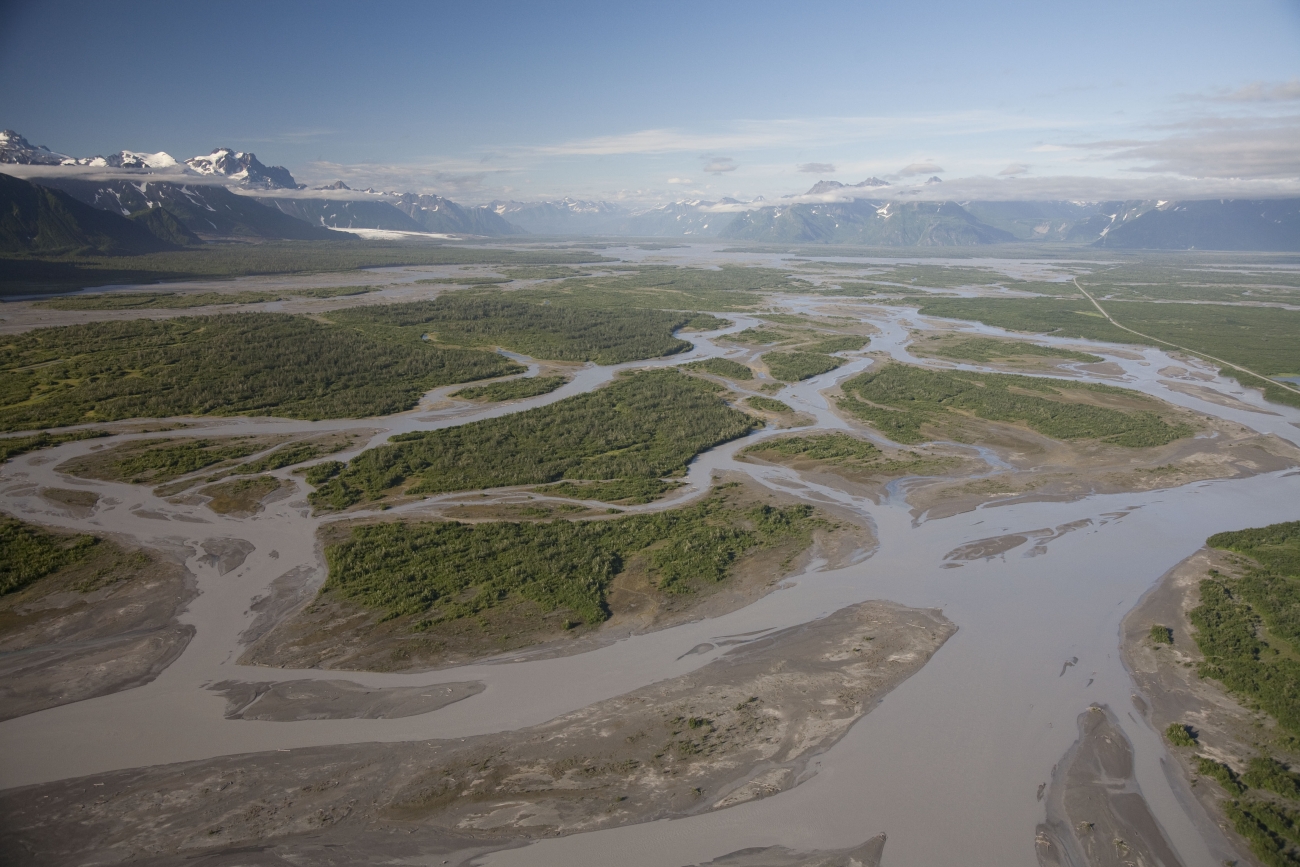
Cordova is the gateway to the Copper River Delta, a globally important spring migration stopover where millions of shorebirds can concentrate on coastal mudflats and wetlands. Birding plans should account for tides, weather, seasonal access, and current local conditions.
Explore destination →
Juneau combines tidal wetlands, temperate rainforest, mountain habitat, and marine shoreline. The Mendenhall Wetlands State Game Refuge is a major local birding area where estuaries and tideflats support more than 140 bird species over the course of a year.
Explore destination →
Haines provides road-accessible birding along the Chilkat River system and the Alaska Chilkat Bald Eagle Preserve. Large Bald Eagle concentrations occur in late fall and early winter, while the preserve also supports salmon, waterfowl, and other wildlife.
Explore destination →
Sitka offers birding across estuary, shoreline, temperate rainforest, and nearby marine habitat. Sitka National Historical Park highlights spring and fall migration, resident coastal birds, and Bald Eagles along the tree line and tide flats.
Explore destination →